
Electrical Basics: Safe Home Practices
Home Electrical Safety: Essential Basics and Safe Practices for Your Residence
Electrical safety is a critical aspect of maintaining a safe home environment. Understanding the fundamental principles of electrical systems can help prevent accidents and ensure that your home remains a secure place for you and your family. This article will explore essential electrical basics, safe practices, common hazards, and preventive measures that every homeowner should know. By implementing these practices, you can significantly reduce the risk of electrical accidents in your home. We will also discuss the importance of professional electrical services, particularly those offered by The Fawcett Group, to ensure your home meets safety standards.
Further emphasizing the importance of this topic, research highlights the critical need for awareness regarding basic electrical safety and common hazards in residential settings.
Essential Basics:
To ensure electrical safety in your home, it is vital to understand some fundamental practices. Regular inspections of your electrical systems are crucial to identify potential issues before they escalate. Additionally, testing residual current devices (RCDs) is essential to ensure they function correctly and can prevent electrical shocks. Furthermore, smoke alarms must be installed and maintained on every level of your home to provide early warning in case of fire.
- Regular Inspections: Schedule routine checks of your electrical systems to identify any potential hazards.
- RCD Testing: Ensure that RCDs are tested regularly to confirm their effectiveness in preventing electrical shocks.
- Smoke Alarms: Install smoke alarms on every level of your home and test them monthly to ensure they are operational.
Safe Practices:
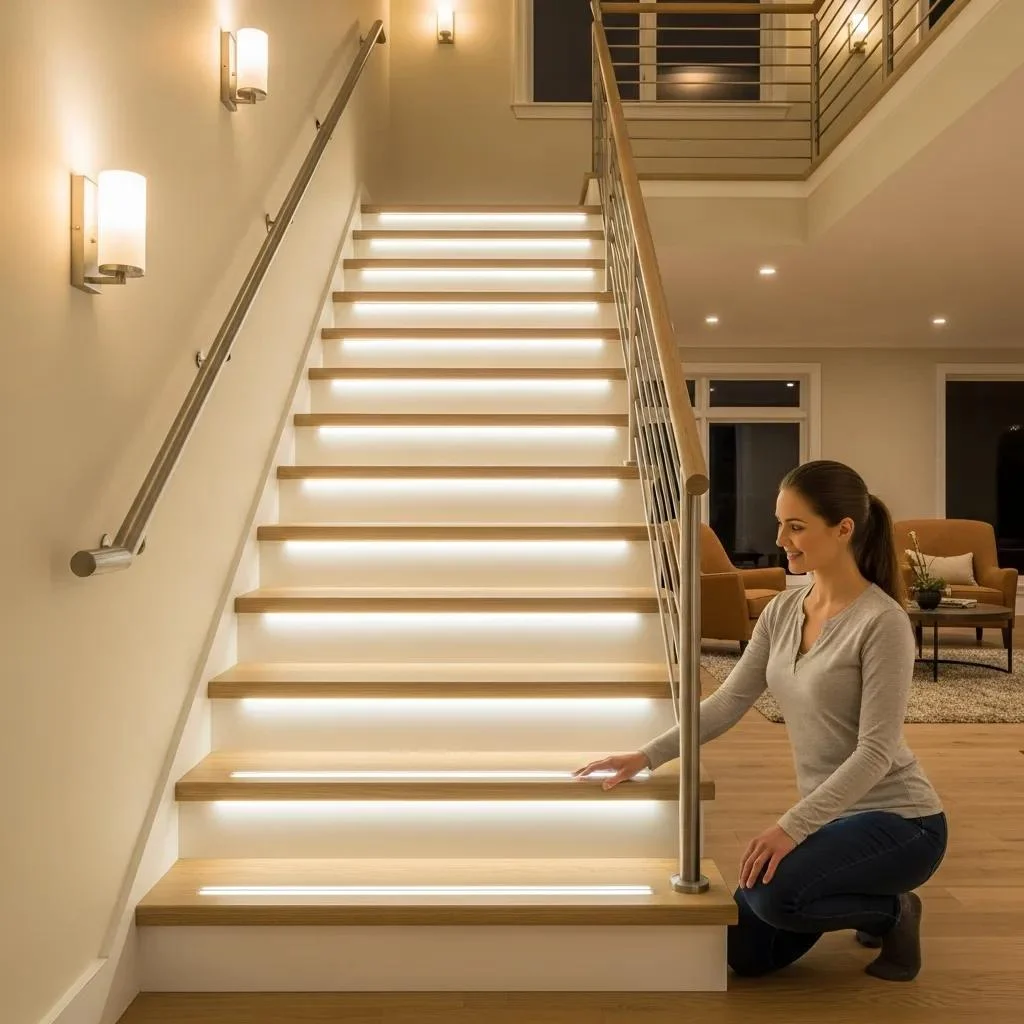
Implementing safe practices in your home can significantly reduce the risk of electrical hazards. Proper lighting is necessary to prevent accidents, especially in stairways and hallways. Avoid overloading circuits by distributing electrical loads evenly across outlets. Lastly, always use qualified electricians for repairs and installations to ensure compliance with safety standards.
- Proper Lighting: Ensure adequate lighting in all areas of your home to prevent accidents.
- Avoid Overloading Circuits: Distribute electrical loads evenly to prevent overheating and potential fires.
- Qualified Electricians: Hire licensed electricians for any electrical work to ensure safety and compliance with regulations.
The Fawcett Group specializes in providing electrical safety services, ensuring that your home is equipped with the necessary safety measures and compliant with local regulations.
Common Hazards:
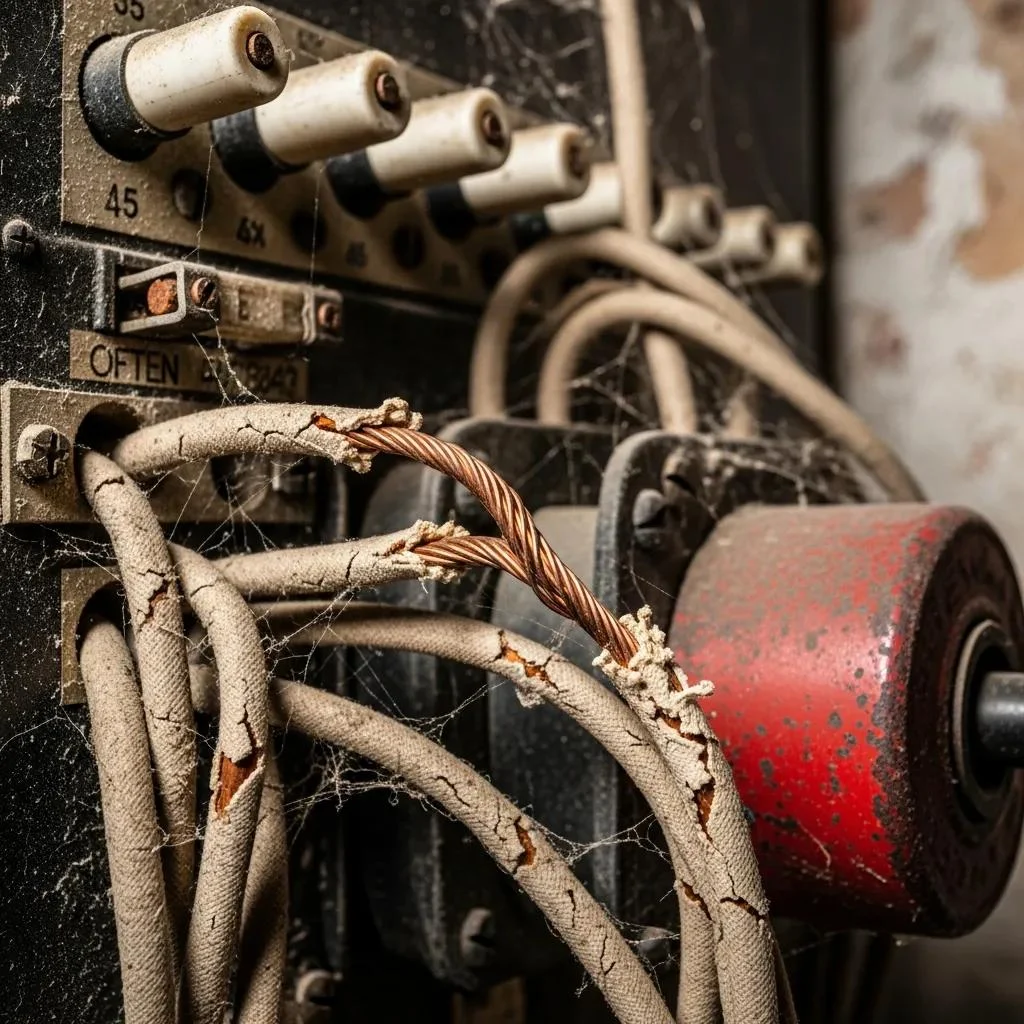
Identifying common electrical hazards in your home is the first step toward prevention. Frayed or exposed wires can pose serious risks, as they may lead to electrical shocks or fires. Outdated switchboards can cause overloads, while improper use of extension cords can create hazardous situations.
- Frayed or Exposed Wires: Inspect your wiring regularly for any signs of wear or damage.
- Outdated Switchboards: Upgrade your switchboard if it is outdated to prevent overloads and ensure safety.
- Improper Use of Extension Cords: Avoid using extension cords as permanent solutions; they should only be used temporarily.
Preventive Measures:
Taking preventive measures can significantly enhance electrical safety in your home. Upgrading switchboards when necessary is crucial for managing electrical loads effectively. Scheduling routine maintenance checks can help identify and rectify potential issues before they become serious. Educating family members about electrical safety is also essential to ensure everyone understands the risks and how to mitigate them.
- Upgrade Switchboards: Ensure your switchboard is modern and capable of handling your electrical needs.
- Routine Maintenance: Schedule regular maintenance checks to keep your electrical systems in optimal condition.
- Educate Family Members: Teach your family about electrical safety practices to promote a safe home environment.
| Preventive Measure | Description | Importance |
|---|---|---|
| Upgrade Switchboards | Modern switchboards can handle higher loads and prevent overloads. | High |
| Routine Maintenance | Regular checks can identify issues before they escalate. | High |
| Family Education | Knowledge of safety practices can prevent accidents. | Medium |
Understanding these preventive measures can help you maintain a safe home environment and reduce the risk of electrical hazards.
What Are the Key Electrical Hazards in Residential Homes?
Key electrical hazards in residential homes include faulty wiring, overloaded circuits, and inadequate ground fault protection. Faulty wiring can lead to fires, while overloaded circuits are a common issue that can cause electrical failures. Inadequate ground fault protection increases the risk of electrical shocks, making it essential to ensure that your home is equipped with the necessary safety devices.
- Faulty Wiring: Regular inspections can help identify and rectify faulty wiring before it leads to serious issues.
- Overloaded Circuits: Be mindful of the electrical load on your circuits to prevent overloads.
- Inadequate Ground Fault Protection: Ensure that ground fault circuit interrupters (GFCIs) are installed in areas where water and electricity may come into contact.
How to Identify Common Electrical Risks at Home
Identifying electrical risks in your home involves regular inspections and testing of your electrical systems. Inspect switchboards for any signs of wear or damage, and test RCDs frequently to ensure they are functioning correctly. Additionally, check wiring and outlets for any signs of damage or wear.
- Inspect Switchboards: Look for any signs of damage or overheating.
- Test RCDs: Regular testing ensures that RCDs are operational and can prevent shocks.
- Check Wiring and Outlets: Inspect for frayed wires or damaged outlets that could pose risks.
What Preventive Measures Reduce Electrical Hazards?
Several preventive measures can help reduce electrical hazards in your home. Conducting regular safety checks is essential to identify potential risks. Ensuring proper lighting in all areas of your home can prevent accidents, while installing smoke alarms on every level provides an early warning system in case of fire.
- Conduct Regular Safety Checks: Regular inspections can help identify and mitigate risks.
- Ensure Proper Lighting: Adequate lighting can prevent accidents and improve safety.
- Install Smoke Alarms: Smoke alarms should be installed on every level of your home for maximum safety.
The Fawcett Group offers comprehensive electrical maintenance services to help homeowners ensure their systems are safe and compliant.
Which Residential Wiring Standards Ensure Safety Compliance?
Compliance with residential wiring standards is crucial for ensuring safety in your home. Adhering to Australian standards is essential, as they provide guidelines for safe installations. Additionally, RCDs are a critical component of electrical safety, and upgrading switchboards is advisable to meet current safety standards.
- Compliance with Australian Standards: Following these standards ensures safe installations and practices.
- Importance of RCDs: RCDs are essential for preventing electrical shocks and should be installed in all homes.
- Upgrading Switchboards: Modern switchboards are designed to handle current electrical demands safely.
What Are the Australian Electrical Wiring Standards for Homes?
The Australian electrical wiring standards ensure that installations are safe and reliable. These standards mandate the use of appropriate materials and installation guidelines to prevent hazards. Following these standards is essential for maintaining a safe home environment.
- Safe Installations: Adhering to standards ensures that all electrical work is performed safely.
- Use of Appropriate Materials: Standards dictate the materials that should be used to prevent hazards.
- Installation Guidelines: Following guidelines helps ensure that installations are performed correctly.
How Does Proper Wiring Prevent Electrical Accidents?
Proper wiring is essential for preventing electrical accidents in your home. Adhering to safety standards reduces risks associated with faulty wiring and ensures that your electrical systems function correctly. Regular inspections are necessary to maintain safety, and professional assistance is recommended for any electrical work.
- Adhering to Standards: Following wiring standards minimizes risks associated with electrical systems.
- Regular Inspections: Routine checks can identify potential issues before they escalate.
- Professional Assistance: Hiring licensed electricians ensures that work is performed safely and correctly.
How Can You Maintain Electrical Systems for Safe Home Use?
Maintaining electrical systems is crucial for ensuring safety in your home. Conducting routine inspections and scheduling maintenance checks can help identify potential issues. Hiring licensed electricians for any work ensures that safety standards are met.
- Conduct Routine Inspections: Regular checks can help identify and rectify potential hazards.
- Schedule Maintenance Checks: Routine maintenance ensures that your electrical systems are functioning correctly.
- Hire Licensed Electricians: Professional assistance is essential for ensuring safety and compliance.
The Fawcett Group provides expert electrical maintenance services to help homeowners keep their systems safe and compliant.
What Are Best Practices for Electrical Maintenance at Home?
Best practices for electrical maintenance include regular safety checks and testing of smoke alarms. Ensuring proper lighting in all areas of your home is also essential for preventing accidents. Additionally, educating family members about electrical safety practices promotes a safe home environment.
- Regular Safety Checks: Conduct routine inspections to identify potential hazards.
- Smoke Alarm Testing: Test smoke alarms monthly to ensure they are operational.
- Proper Lighting: Ensure adequate lighting in all areas to prevent accidents.
When Should You Schedule Professional Electrical Inspections?
Scheduling professional electrical inspections is crucial for maintaining safety in your home. Regular inspections can help prevent hazards and ensure that your electrical systems are functioning correctly. Planning for inspections should be done regularly to maintain safety standards.
- Regular Inspections: Schedule inspections to identify potential hazards before they escalate.
- Professional Evaluations: Hiring licensed electricians ensures that your systems are safe and compliant.
- Timing for Inspections: Plan inspections regularly to maintain safety standards.
What Are Circuit Breaker Basics and Their Role in Home Safety?
Circuit breakers are essential components of electrical safety in your home. They protect against overloads and short circuits, preventing potential fires and electrical hazards. Regular testing of circuit breakers is necessary to ensure they function correctly, and recognizing signs of wear can help prevent issues.
- Protection Against Overloads: Circuit breakers prevent overloads that can lead to fires.
- Regular Testing: Testing circuit breakers ensures they are operational and can prevent hazards.
- Recognizing Replacement Signs: Be aware of signs that indicate circuit breakers need to be replaced to maintain safety.
By understanding these electrical safety practices and the importance of professional services, homeowners can create a safer living environment. The Fawcett Group is dedicated to helping residents in Adelaide and surrounding suburbs maintain their electrical systems safely and effectively.